
Based on popular text, updated with cutting edge tech like prescriptive maintenance, IIoT sensors, AI, Drones, Virtual Reality and more.
Who : This program is for Fleet managers of all kinds of fleets, Port equipment superintendents, shop managers and directors of transportation, supervisors, other executives, or managers with fleet responsibilities, and anyone being promoted into these jobs.
Fleets covered range from Port operation, taxicabs, mobile construction equipment, rental, transit and minibusses, mixed municipal fleets, common carriers, private carriers, and mining equipment. This course is for any organization that owns or operates multiple pieces of mobile equipment.
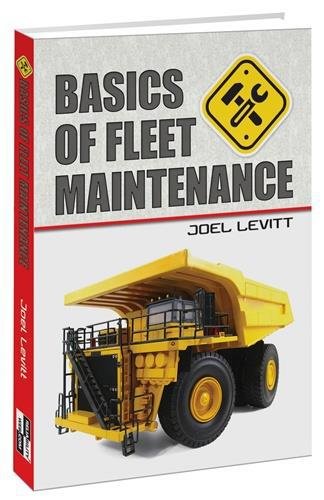
What : The basics of Fleet Management is a 2-day class with a spiral-bound workbook and a text The Basics of Fleet Maintenance by Joel Levitt
Running a fleet is managing thousands of details where any one of which could be critical. This 1-day class focuses on distinguishing the important from the unimportant and how to identify the vital vehicles, mechanics, vendors, or operators that are costing you money.
This course will offer specific ideas to reduce road calls, reduce fuel consumption, trade units, how to slash paperwork, improve warranty recovery, and help you understand what to manage to have an impact.
In the following agenda:
RED – are interactive exercises of various types
We are flexible about your specific needs for outcomes from the course.
The most basic way is to present a standard course after a brief email conversation about goals and objectives. The courses are tried and tested and have been used to good effect worldwide in many maintenance situations.
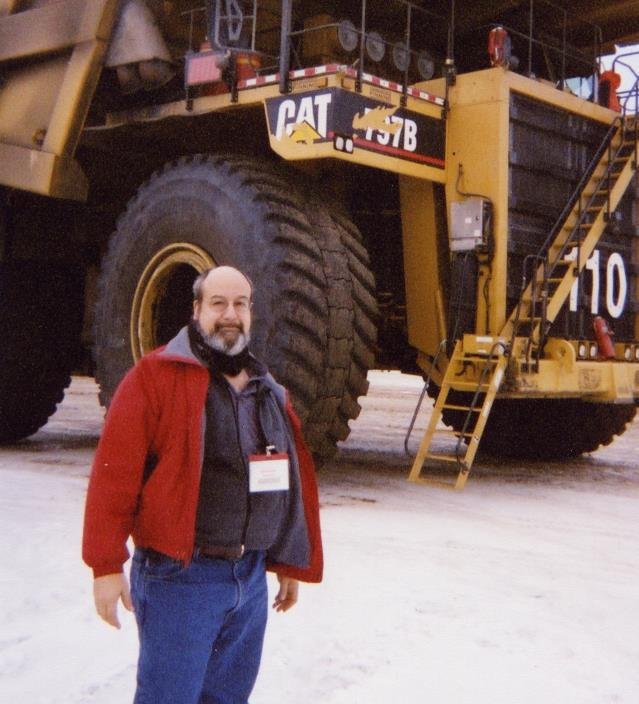
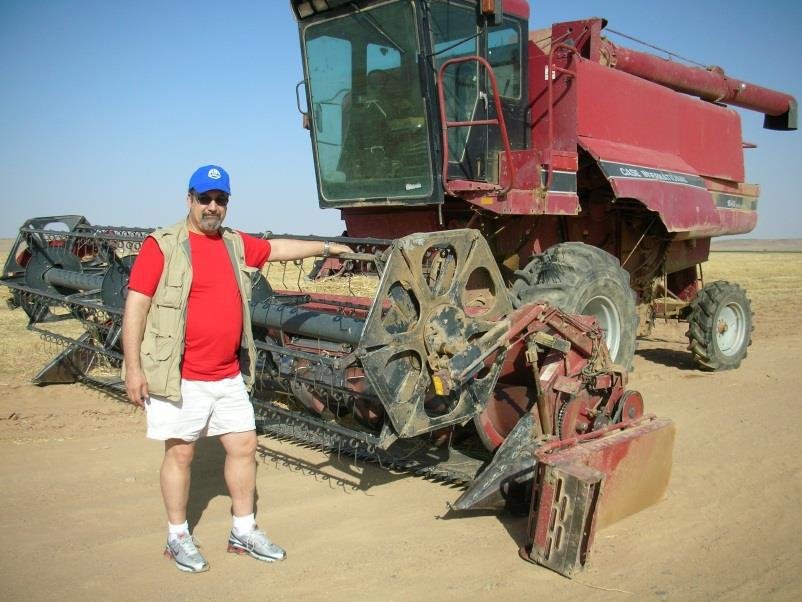
The second and most common option involves a one-day site visit before the class. This visit allows me to add examples from your facility, adjust the verbal presentation to suit your needs, meet some key players, and see some of the unique problems you face.
involves a more extensive site visit (to be defined) a few weeks before the class. This extra time allows me to customize and add examples from your facility and adjust the verbal presentation to suit your needs. It is always good to meet some of the key players and see for myself some of the unique problems you face.
The third option is to conduct a maintenance audit survey that looks at all the aspects of maintenance, evaluates areas where improvements are possible, and slanting the training to the competencies needed to implement the upgrades uncovered in the survey.