
Based on popular text
Industries : This program is for all types of Factories, process industries, refineries, batch plants.
who : Attendees include maintenance managers, supervisors, leads, CMMS managers, planners, engineers, non-maintenance people accountable for maintenance, and people in training for these positions. There is also an advantage to having representatives from operations and stockroom for their perspective and input.
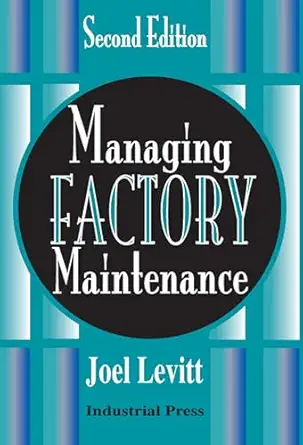
What : This 2-day class includes a spiral workbook and the text Managing Factory Maintenance Second Edition by Joel Levitt. We can schedule a tour of the production facility for insight into maintenance issues
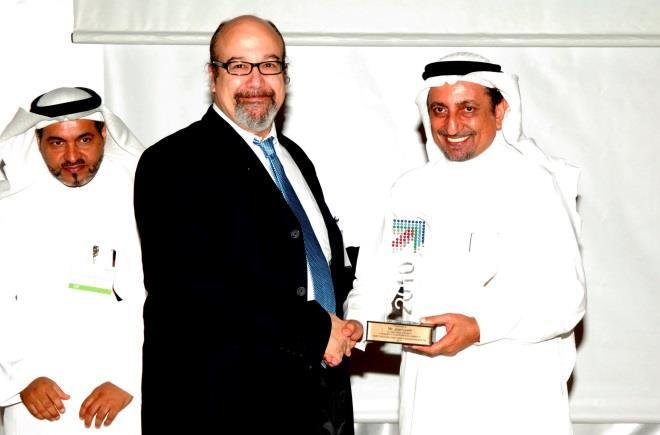
Joel receiving an award from the CEO of SABIC for his keynote address at their Environmental, Safety and Health awards day in Jubail, KSA
In the following agenda:
RED – are interactive exercises of various types
5. CMMS Computerized Maintenance Management Systems
6. Lean maintenance –do the right thing and save money
7. A case study in Job Planning
8. Safety in Maintenance
9. Ideas for action when you get back
We are flexible about your specific needs for outcomes from the course.
The most basic way is to present a standard course after a brief email conversation about goals and objectives. The courses are tried and tested and have been used to good effect worldwide in many maintenance situations.
The second and most common option involves a one-day site visit before the class. This visit allows me to add examples from your facility, adjust the verbal presentation to suit your needs, meet some key players, and see some of the unique problems you face.
involves a more extensive site visit (to be defined) a few weeks before the class. This extra time allows me to customize and add examples from your facility and adjust the verbal presentation to suit your needs. It is always good to meet some of the key players and see for myself some of the unique problems you face.
The third option is to conduct a maintenance audit survey that looks at all the aspects of maintenance, evaluates areas where improvements are possible, and slanting the training to the competencies needed to implement the upgrades uncovered in the survey.